Chinua Azubike:
Pioneering Innovative Infrastructure Finance, Business Model Innovation and Impact Investment in Africa
- Founder
- Innovator
- HBS Case Protagonist
Six Theoretical Lenses


Building a Theory-Led
Investment Approach
Applied Theories:
Market Creating Innovation:
From Market Failure to Market Creation
Our investment thesis draws on Clayton Christensen’s Prosperity Paradox, which reframes traditional development logic. Instead of attempting to fix market failures, we focus on market creation – building institutions, products, and services that convert non-consumption into sustainable economic activity.
Using the “Jobs To Be Done” lens, we believe solutions must be designed around the real progress users are trying to make, rather than around products or mandates. Market failures persist when solutions treat symptoms – such as lack of capital, rather than the underlying “job” users need solved.
In this context, InfraDevCo identifies and invests in market-creating innovations that build missing market architecture, unlock value chains, mobilise demand, and crowd in private capital to underserved and unserved sectors.

Designing Scalable Systems

Institutional Learning as Competitive Advantage
Our work builds on Bent Flyvbjerg’s research in How Big Things Get Done, which shows that scalable innovation is rooted in disciplined process learning rather than product invention. At InfraDevCo, innovation is not defined by new financial instruments alone, but by continuously improving how they are delivered through evidence based experiential data and institutional learning models.
Through repetition, iteration, and feedback loops, experience is converted into institutional knowledge. These embedded processes reduce execution risk, accelerate delivery, and build trust with investors, partners, and markets.
“Repetition is the mother of learning, and process is knowledge experienced through repetition.” — Bent Flyvbjerg.
This philosophy is embedded in our governance model, ensuring that every investment strengthens the broader financing ecosystem.

The Infrastructure Value Equation:
Value as a System

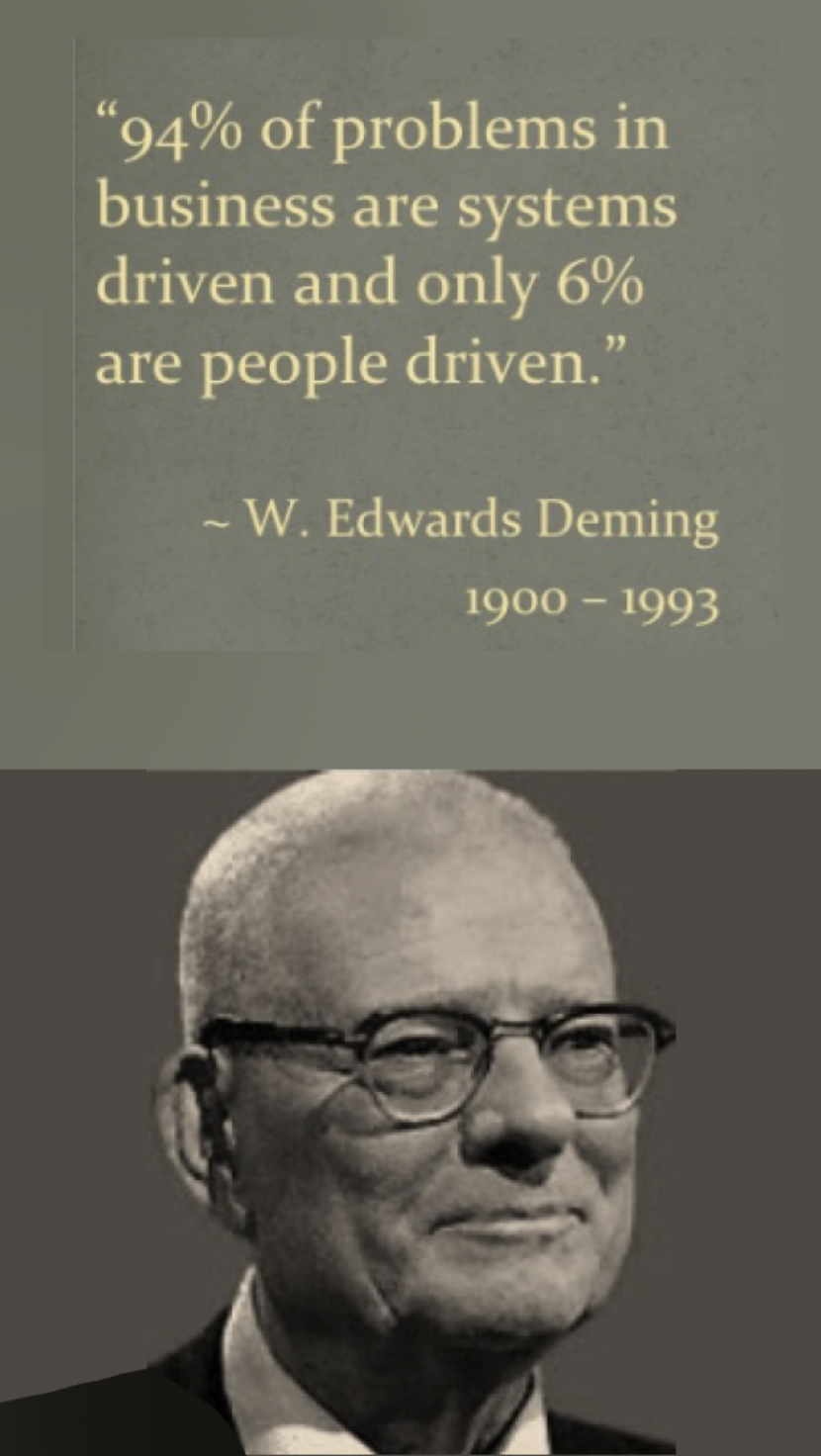
Systems Thinking:
Seeing Connections, Not Silos
The Theory of Local Intermediation:
Local problems require local institutions
Drawing on the theory of local intermediation, our approach recognises that local problems are best solved by locally embedded institutions deliberately built to understand and operate within their own contexts. In complex and emerging markets, effective value creation depends on proximity to context – regulatory, cultural, political, and financial.
Deep, in-country presence improves risk judgment, strengthens market trust, and elevates the quality of institutional decision-making, particularly under uncertainty. As markets evolve, locally rooted institutions become essential anchors for sustainable market formation and capital mobilisation.
Our portfolio strategy prioritises country-level intermediation – cultivating high-quality local expertise, embedding capacity-building within institutional models, and enabling knowledge transfer across markets. This ensures resilience, credibility, and compounding institutional learning over time.


Chinua Azubike:
Pioneering Innovative Infrastructure Finance, Business Model Innovation and Impact Investment in Africa
- Founder
- Innovator
- HBS Case Protagonist


Building a Theory-Led
Investment Approach
InfraDevCo’s investment philosophy is anchored in rigorous theoretical foundations that bridge practice, innovation, and systemic transformation. Our models are not improvised responses to development challenges, but are grounded in tested theories of change that explain why our approach works and how it scales sustainably.
InfraDevCo’s investment thesis is theory-led, we function as both an investment platform and a learning institution. Each portfolio company or facility—whether in clean energy, affordable housing, or infrastructure finance is a live experiment in applying, testing, and refining these theories.
Applied Theories:
These theories connect our applied work with recognised academic and policy frameworks.
Market Creating Innovation:
From Market Failure to Market Creation
Our investment thesis draws on Clayton Christensen’s Prosperity Paradox, which reframes traditional development logic. Instead of attempting to fix market failures, we focus on market creation – building institutions, products, and services that convert non-consumption into sustainable economic activity.
Using the “Jobs To Be Done” lens, we believe solutions must be designed around the real progress users are trying to make, rather than around products or mandates. Market failures persist when solutions treat symptoms – such as lack of capital, rather than the underlying “job” users need solved.
In this context, InfraDevCo identifies and invests in market-creating innovations that build missing market architecture, unlock value chains, mobilise demand, and crowd in private capital to underserved and unserved sectors.
Designing Scalable Systems
Institutional Learning as Competitive Advantage
Our work builds on Bent Flyvbjerg’s research in How Big Things Get Done, which shows that scalable innovation is rooted in disciplined process learning rather than product invention. At InfraDevCo, innovation is not defined by new financial instruments alone, but by continuously improving how they are delivered through evidence based experiential data and institutional learning models.
Through repetition, iteration, and feedback loops, experience is converted into institutional knowledge. These embedded processes reduce execution risk, accelerate delivery, and build trust with investors, partners, and markets.
“Repetition is the mother of learning, and process is knowledge experienced through repetition.” — Bent Flyvbjerg.
This philosophy is embedded in our governance model, ensuring that every investment strengthens the broader financing ecosystem.
Value as a System
Systems Thinking:
Seeing Connections, Not Silos
The Theory of Local Intermediation:
Local problems require local institutions
Drawing on the theory of local intermediation, our approach recognises that local problems are best solved by locally embedded institutions deliberately built to understand and operate within their own contexts. In complex and emerging markets, effective value creation depends on proximity to context – regulatory, cultural, political, and financial.
Deep, in-country presence improves risk judgment, strengthens market trust, and elevates the quality of institutional decision-making, particularly under uncertainty. As markets evolve, locally rooted institutions become essential anchors for sustainable market formation and capital mobilisation.
Our portfolio strategy prioritises country-level intermediation – cultivating high-quality local expertise, embedding capacity-building within institutional models, and enabling knowledge transfer across markets. This ensures resilience, credibility, and compounding institutional learning over time.